Puzzles and brain games

A guide index for puzzles and brain games that reward clear thinking.

Some formats ask for pattern recognition. Others ask for patience, notation, or a tolerance for misleading clues. We keep the categories separate, because a crisp cryptic clue, a sparse sudoku grid, a forcing chess tactic and a lock-and-key escape-room puzzle all feel different once you get inside the mechanism.

5Core guides
LogicShared thread
EnglishFor Denmark readers
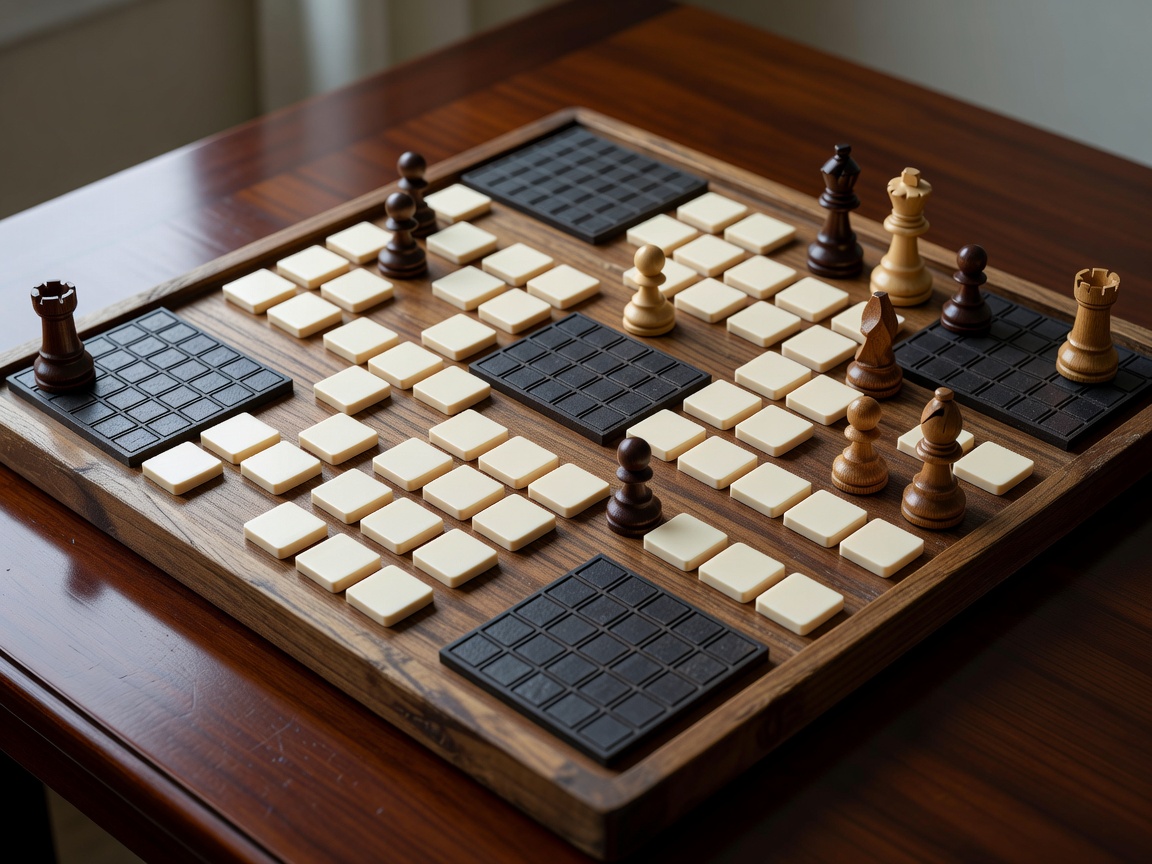
Puzzle board with letter tiles, number grids and chess pieces representing brain games
Five entry points

Choose the kind of puzzle that matches how your mind wants to work.

These guides are organised by mechanism rather than difficulty. That makes it easier to compare real formats such as blocked crosswords, classic sudoku, tactical chess positions, room-scale puzzle chains and familiar word games like Boggle or Wordle.

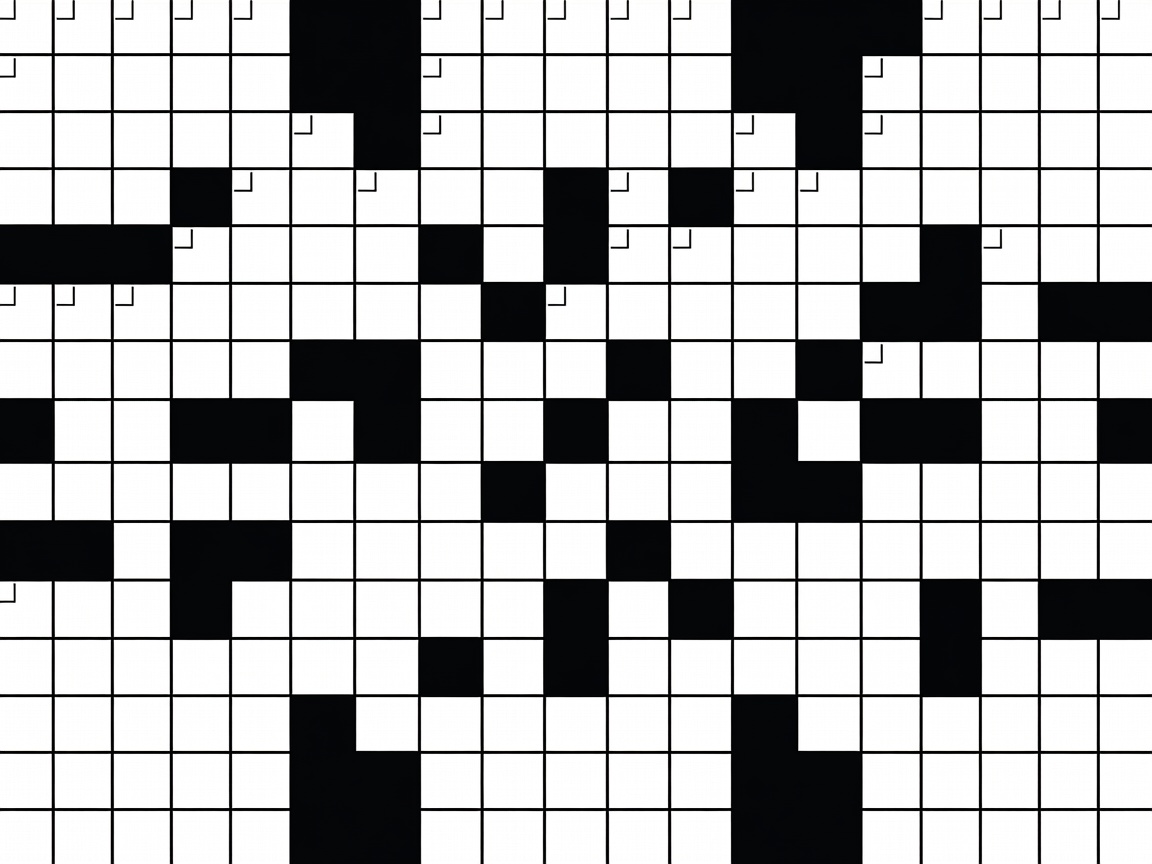
Crossword grid with black squares and clue numbering for crossword puzzles
Guide 01

Crossword grids

Blocked, barred and cryptic traditions each shape the solve differently. This guide looks at clue checking, grid symmetry and how British and American conventions pull the experience in separate directions.

Read the guide
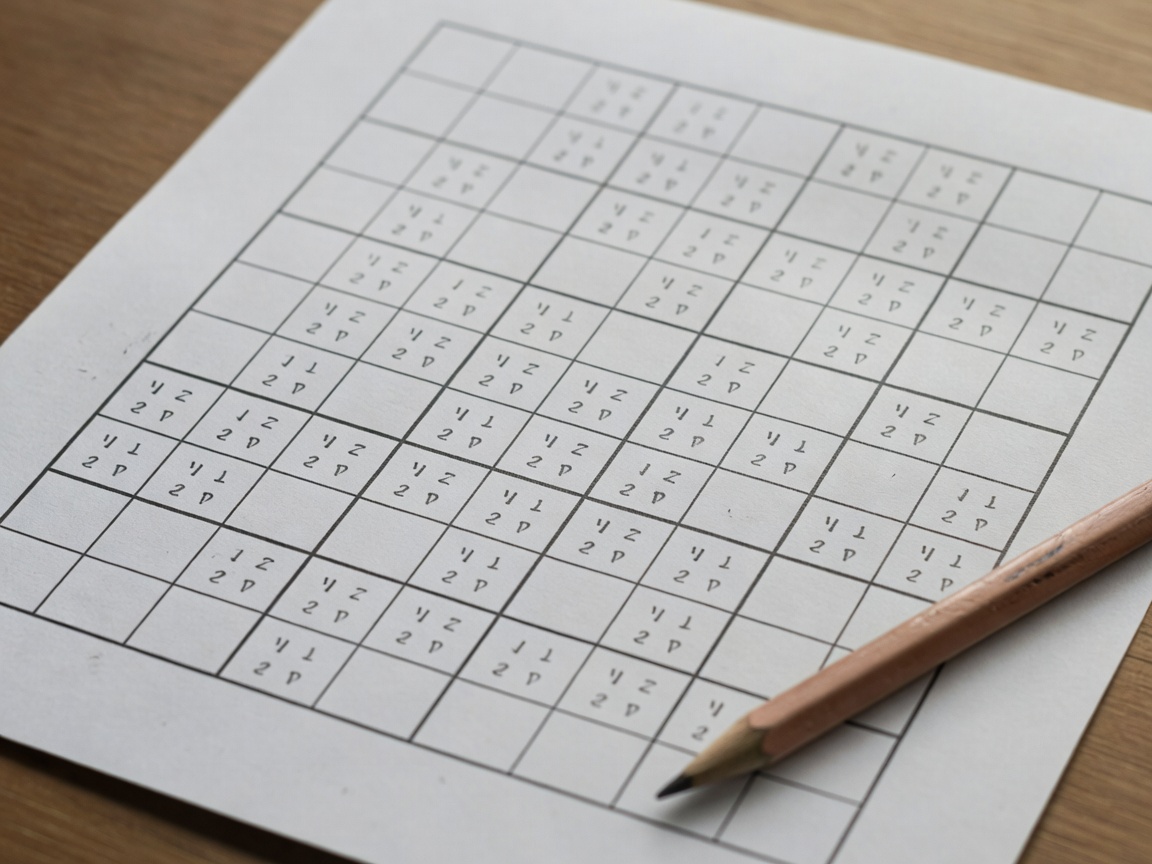
Sudoku puzzle with pencil marks and candidate numbers
Guide 02

Sudoku techniques

From singles and locked candidates to X-Wing and simple colouring, the guide separates methods that tidy a grid from those that cut whole candidate sets at once.

Read the guide
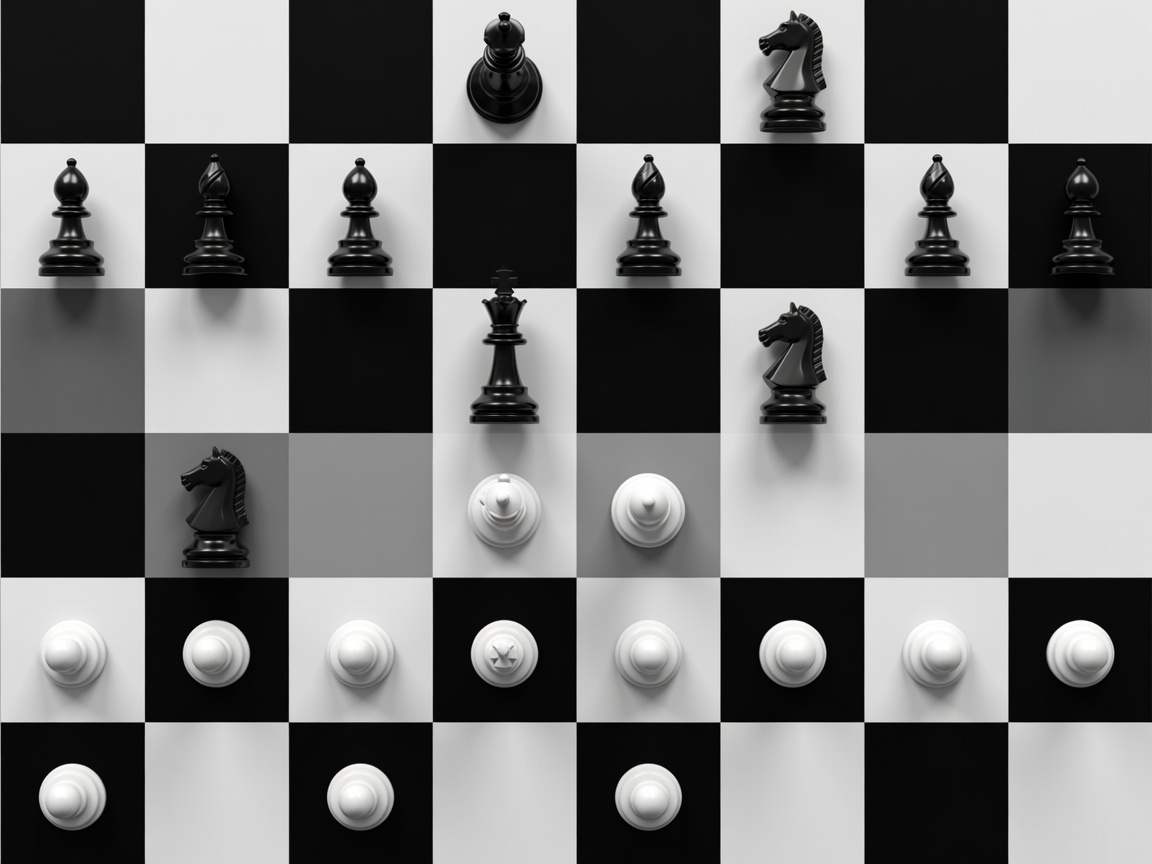
Chessboard diagram showing a tactical puzzle with attacking pieces
Guide 03

Chess puzzles

Mate patterns, forks, pins, skewers and deflections all train different habits. We compare puzzle books, diagram sets and online trainers by the kind of calculation they actually demand.

Read the guide
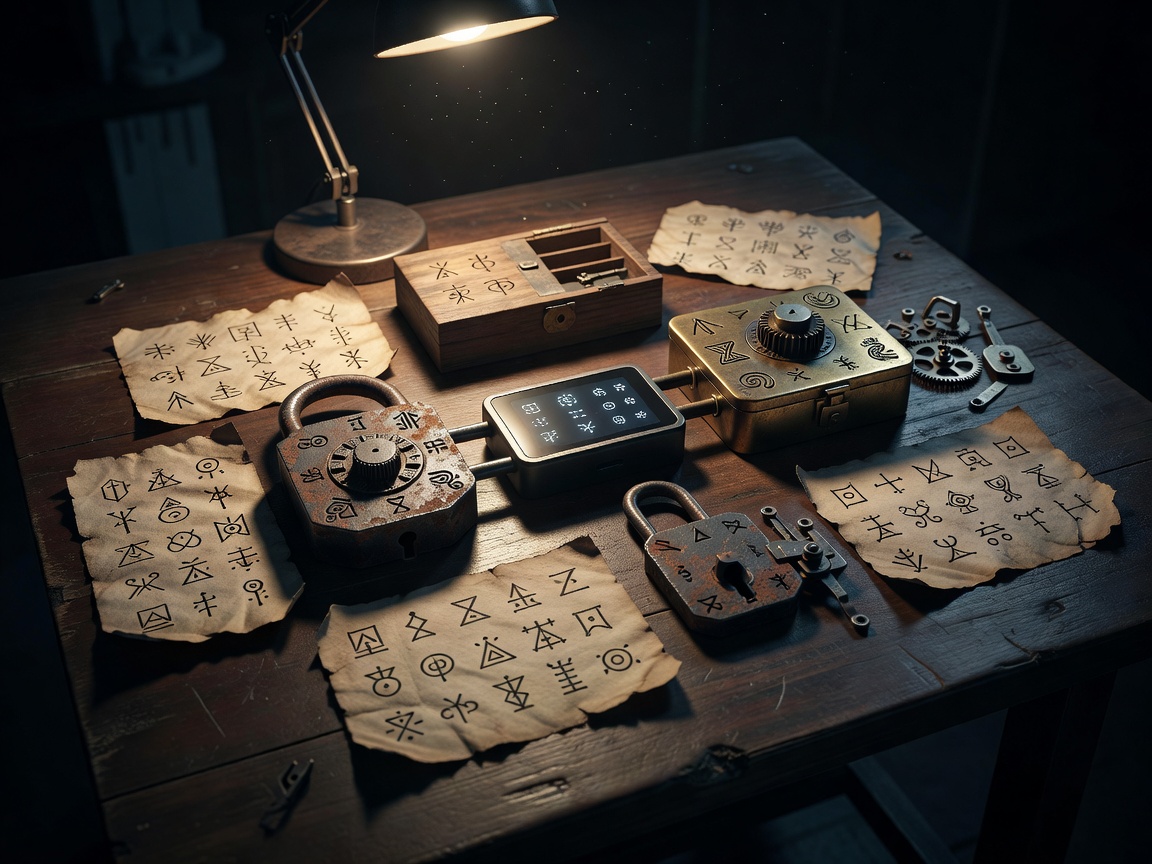
Escape room style puzzle objects with locks, symbols and clue cards
Guide 04

Escape room logic

Good room design balances observation, sequencing and cooperation. This guide explains red herrings, clue chains, parallel puzzle paths and why physical search should support logic rather than replace it.

Read the guide
Letter tiles and word paths representing word games and anagrams
Guide 05

Word games

Anagrams, ladder games, Bananagrams, Boggle and daily guessing formats all reward different vocabularies. We compare speed, dictionary dependence and the role of pattern memory.

Read the guide
How to use the index

Not every hard puzzle is hard for the same reason.

The useful question is not “which one is best?” but “which kind of resistance do you enjoy?” Some people like language ambiguity. Some like deduction with no guessing. Some want a board position where the right move exists even if it is hiding behind three tempting mistakes.

Look for the engine

If the engine is wordplay, clue-writing matters more than speed. If the engine is constraint logic, notation and candidate control matter more than theme.

Watch the failure mode

A weak crossword feels arbitrary. A weak sudoku drifts into trial and error. A weak room puzzle becomes a scavenger hunt with props and panic. Failure modes tell you what to avoid.

Match the social shape

Chess tactics are often solitary and exact. Escape rooms are cooperative and noisy. Word games can swing from private notebook habits to lively group play in one short round.